
A clean office is more than a nice detail. It affects how clients see the business, how employees feel during the day, and how organized the workspace looks from the moment someone walks in. Professional office cleaning helps maintain a cleaner, healthier, and more presentable environment without interrupting daily operations.
Below is a complete guide focused exclusively on office cleaning services, including common areas, professional spaces, recurring plans, deep cleaning needs, and the types of details that make a workplace look polished and well cared for.
🧽 1. What Is Office Cleaning?
Office cleaning is the routine or detailed cleaning of workspaces, reception areas, desks, conference rooms, restrooms, break rooms, and shared areas inside a business location.
Unlike basic home cleaning, office cleaning usually focuses on:
• High-traffic areas
• Shared surfaces
• Professional presentation
• Restroom sanitation
• Dust control
• Trash removal
• Floor care
• Client-facing spaces
• Employee work areas
The goal is to keep the office looking clean, organized, and ready for daily business.
Let's make it sparkle.
Tell us what you need — replies personally. Prefer to talk? 404-668-4251
🏢 2. Why Office Cleaning Matters
A clean office creates a better first impression. When a client, visitor, employee, or business partner enters the space, cleanliness communicates professionalism.
A well-maintained office can help with:
• Creating a better customer experience
• Reducing clutter and visible dust
• Keeping shared spaces more comfortable
• Improving employee morale
• Making meetings feel more professional
• Maintaining restrooms and break rooms properly
• Supporting a cleaner daily work environment
Clean offices also reduce the stress of trying to manage everything internally, especially when employees already have their own responsibilities.
🧹 3. General Office Cleaning
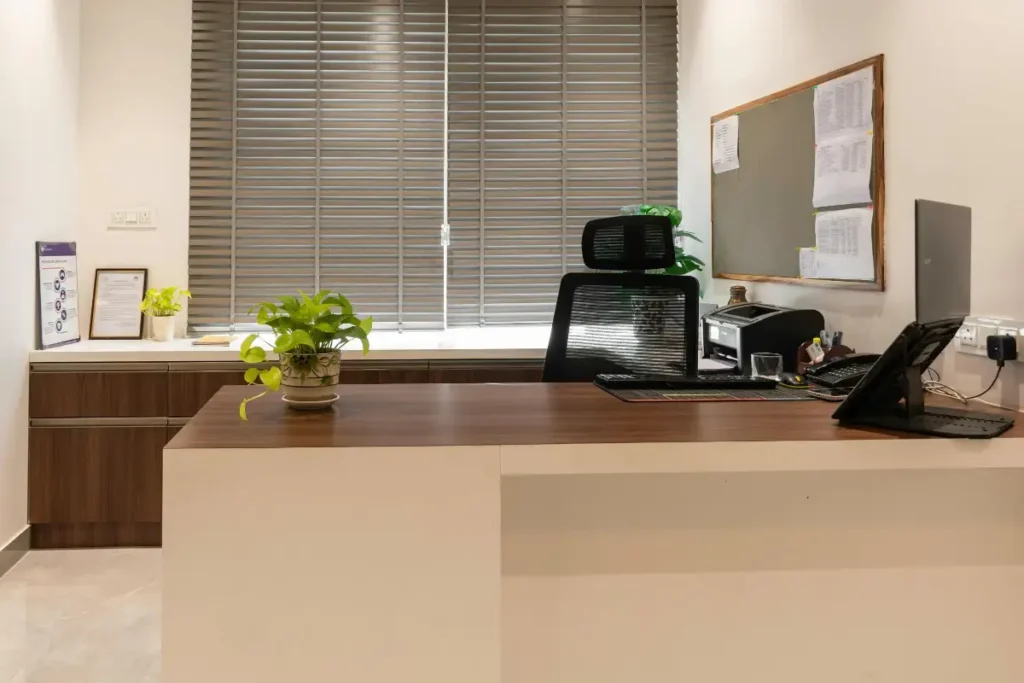
General office cleaning is ideal for businesses that need regular upkeep. It focuses on the essential cleaning tasks that keep the office presentable from week to week.
Common tasks may include:
• Dusting desks, counters, shelves, and common surfaces
• Emptying trash bins
• Cleaning restroom surfaces
• Wiping door handles and shared touchpoints
• Sweeping, vacuuming, or mopping floors
• Cleaning break room counters and sinks
• Light organization of visible areas
• Removing surface dust from office furniture
This service is perfect for offices that need a consistent clean without requiring a full deep cleaning every visit.
Let's make it sparkle.
Tell us what you need — replies personally. Prefer to talk? 404-668-4251
🧼 4. Professional Office Cleaning
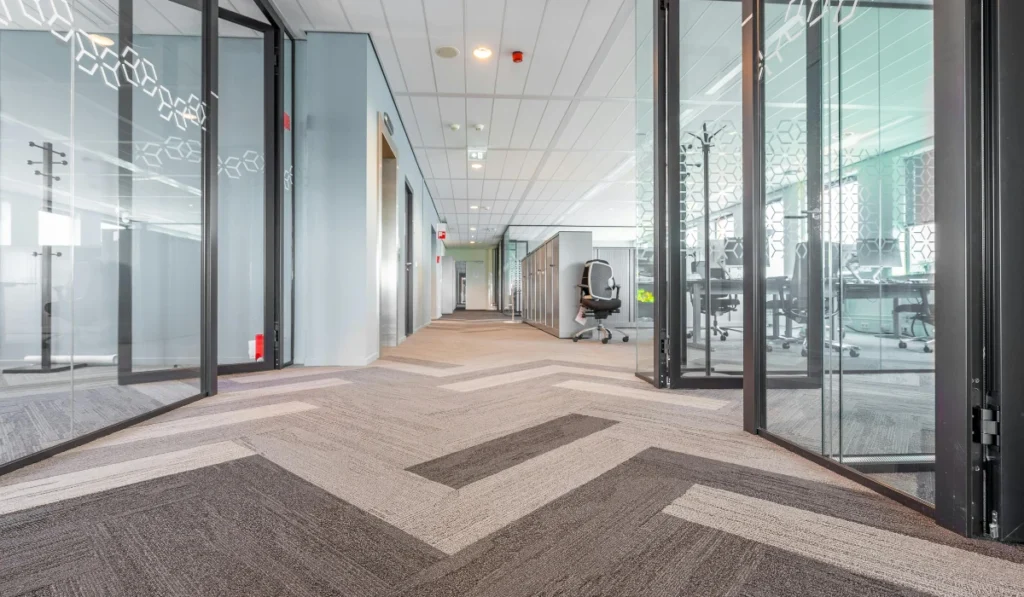
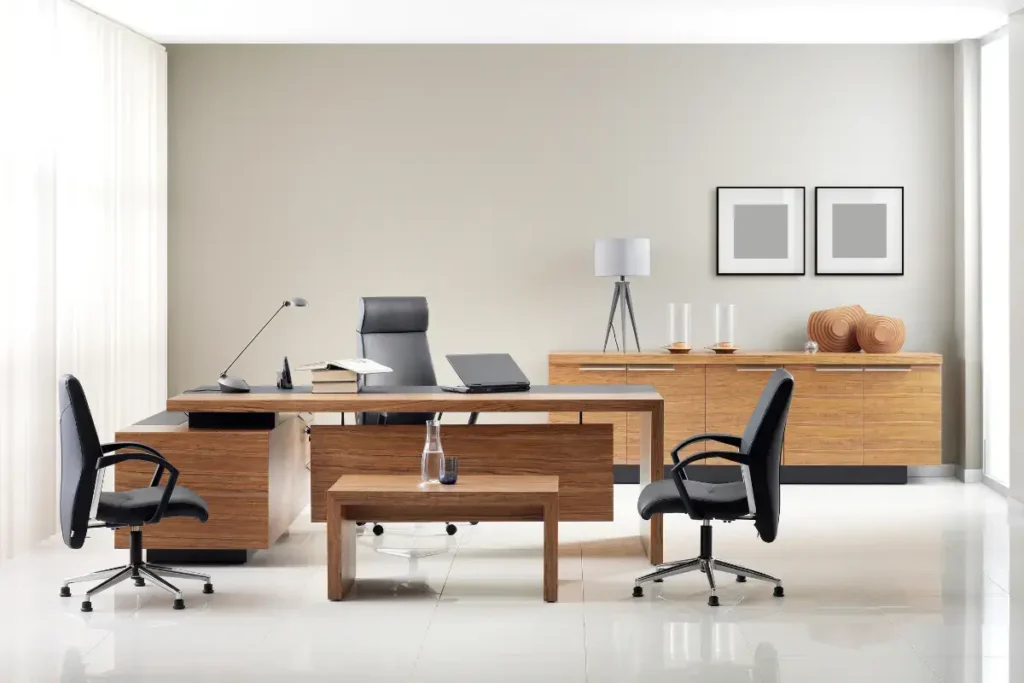
Professional office cleaning is designed for workspaces where presentation matters every day. This may include offices for lawyers, accountants, real estate professionals, consultants, medical administration offices, and other client-facing businesses.
These spaces often need more attention because clients may visit regularly. The cleaning should help the office feel:
Polished, organized, fresh, and professional.
Important areas often include:
• Reception area
• Waiting area
• Private offices
• Conference rooms
• Restrooms
• Hallways
• Entryway
• Employee workstations
• Break rooms
A clean professional office helps support trust before a conversation even begins.
🛋️ 5. Reception Area Cleaning
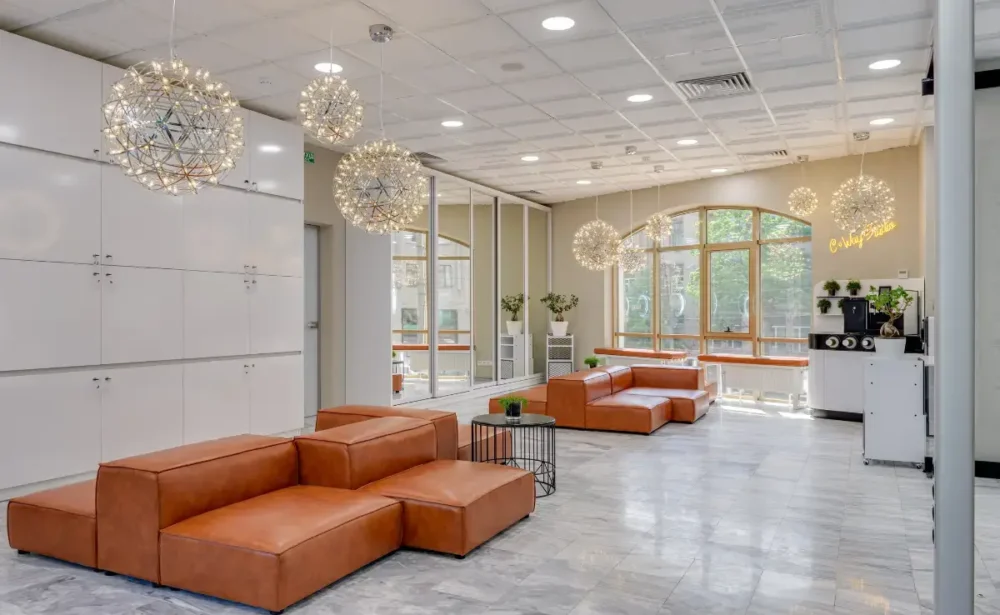
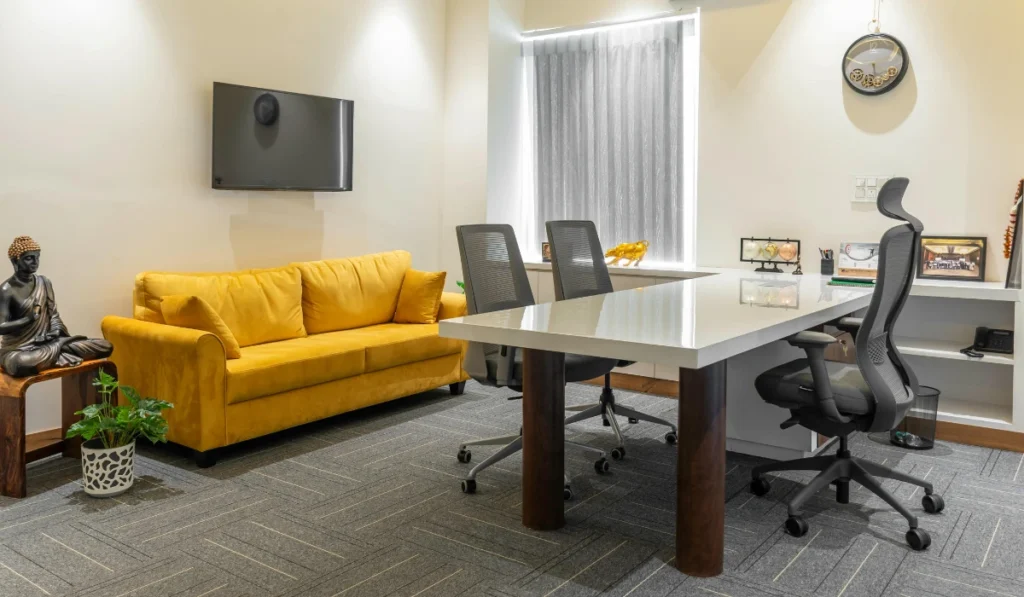
The reception area is one of the most important spaces in any office. It is often the first place clients see, so it should look clean, calm, and organized.
Reception cleaning may include:
• Dusting front desk surfaces
• Wiping counters and visible touchpoints
• Cleaning chairs and waiting areas
• Straightening magazines, brochures, or display materials
• Cleaning glass surfaces
• Removing trash
• Vacuuming or mopping floors
• Keeping the entry area fresh and presentable
A clean reception area helps create a strong first impression.
⚖️ 6. Cleaning for Professional Workspaces
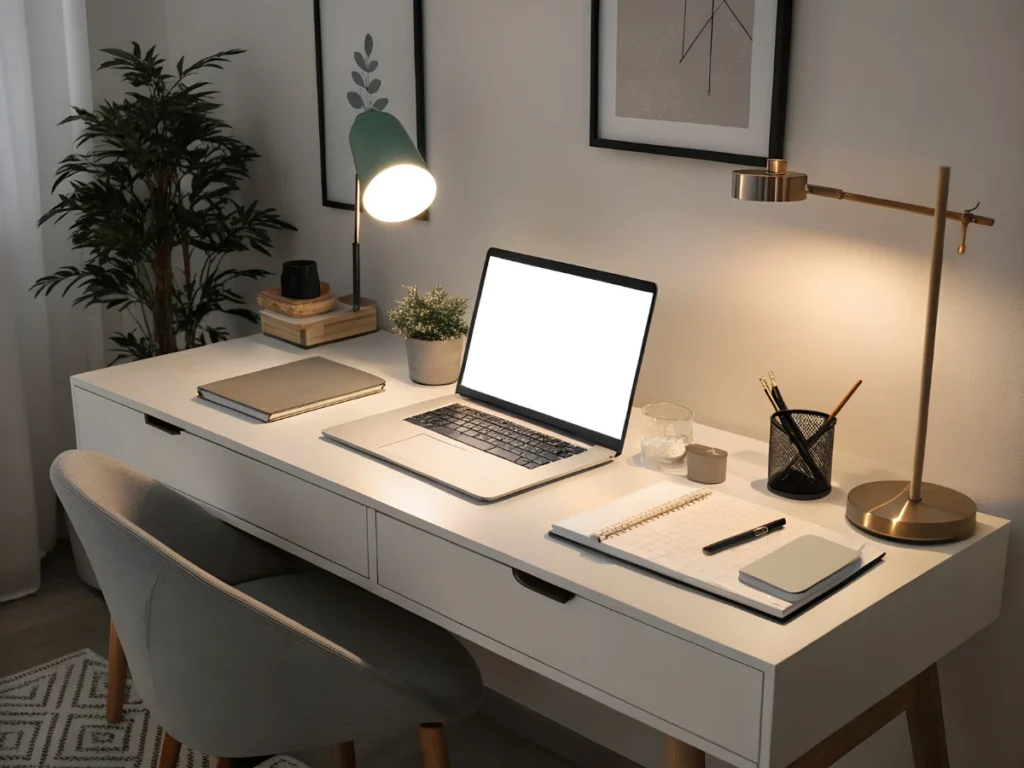
Professional workspaces often need a balance between cleanliness and respect for privacy. Documents, desks, and personal work areas should be handled carefully.
This type of cleaning may be useful for:
• Law offices
• Accounting offices
• Real estate offices
• Insurance offices
• Administrative offices
• Consulting offices
• Small business offices
The key is to clean visible surfaces and shared areas while respecting private materials, documents, equipment, and personal items.
🏡 7. Real Estate Office Cleaning
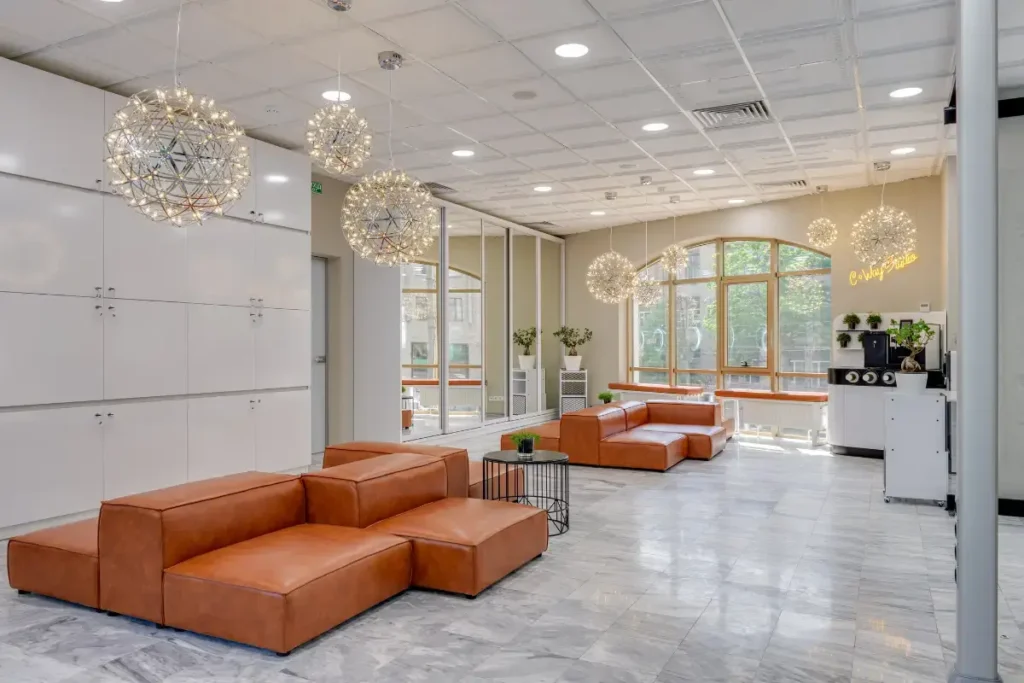
Real estate offices often receive clients, agents, buyers, sellers, and partners. These spaces need to look professional and welcoming.
Common focus areas include:
• Meeting rooms
• Desks and workstations
• Reception area
• Client waiting area
• Floors
• Restrooms
• Coffee or refreshment areas
• Display tables and brochure sections
A clean real estate office supports a polished brand image and helps create confidence during client meetings.
🏬 8. Apartment Complex Office Cleaning
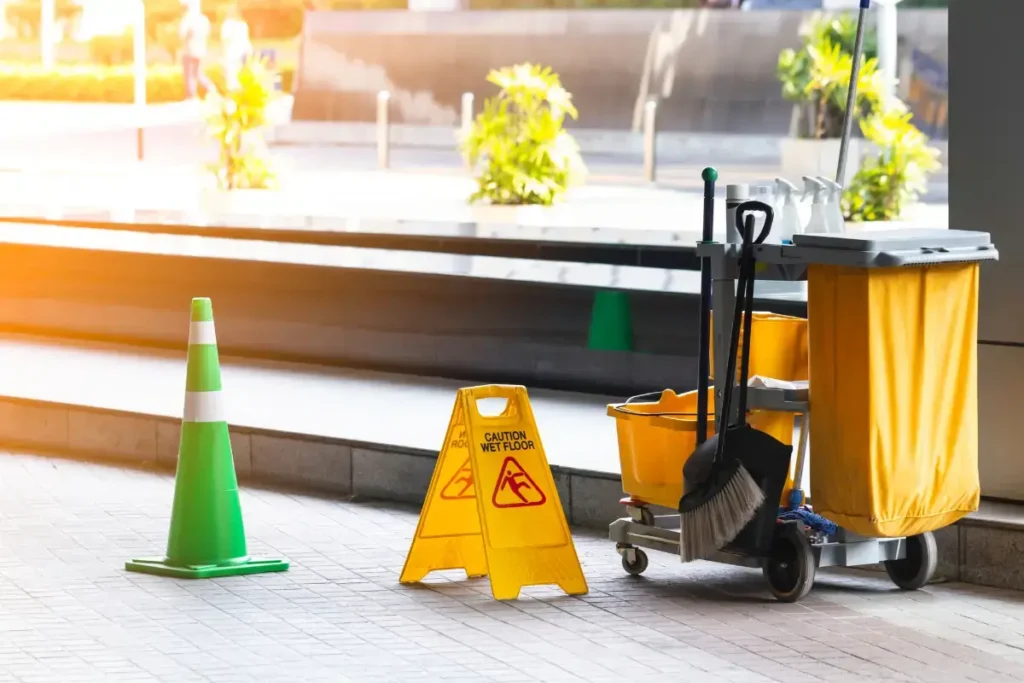
Apartment complex offices often have steady foot traffic from residents, prospects, vendors, and staff. These offices need regular cleaning because they function as both an administrative space and a customer service area.
Cleaning may include:
• Leasing office area
• Reception desk
• Waiting area
• Restrooms
• Staff office areas
• Shared counters
• Entryway floors
• Door handles and high-touch surfaces
• Trash removal
A clean apartment office can help improve the experience for future residents and current tenants.
🧻 9. Office Restroom Cleaning
Restrooms are one of the most important parts of office cleaning. A clean restroom reflects directly on the quality and professionalism of the workplace.
Restroom cleaning may include:
| Area | Cleaning Focus |
|---|---|
| Toilets | Cleaning and sanitizing visible surfaces |
| Sinks | Removing residue and wiping fixtures |
| Mirrors | Cleaning spots and fingerprints |
| Floors | Sweeping and mopping |
| Trash | Emptying bins and replacing liners |
| Touchpoints | Wiping handles, dispensers, and doors |
A restroom should look clean, smell fresh, and feel properly maintained.
☕ 10. Break Room and Kitchenette Cleaning
Office break rooms can get messy quickly because employees use them throughout the day. Coffee spills, crumbs, trash, and sink buildup can make the area look neglected if it is not cleaned regularly.
Common tasks include:
• Wiping counters
• Cleaning sinks
• Removing crumbs and spills
• Emptying trash
• Wiping tables and chairs
• Cleaning exterior surfaces of appliances
• Mopping floors
• Keeping the area fresh and usable
A clean break room gives employees a more comfortable place to rest and recharge.
🧑💼 11. Desk and Workstation Cleaning
Desks and workstations are used every day, so dust and clutter can build up fast. Cleaning these areas requires care because employees may have documents, electronics, or personal items on their desks.
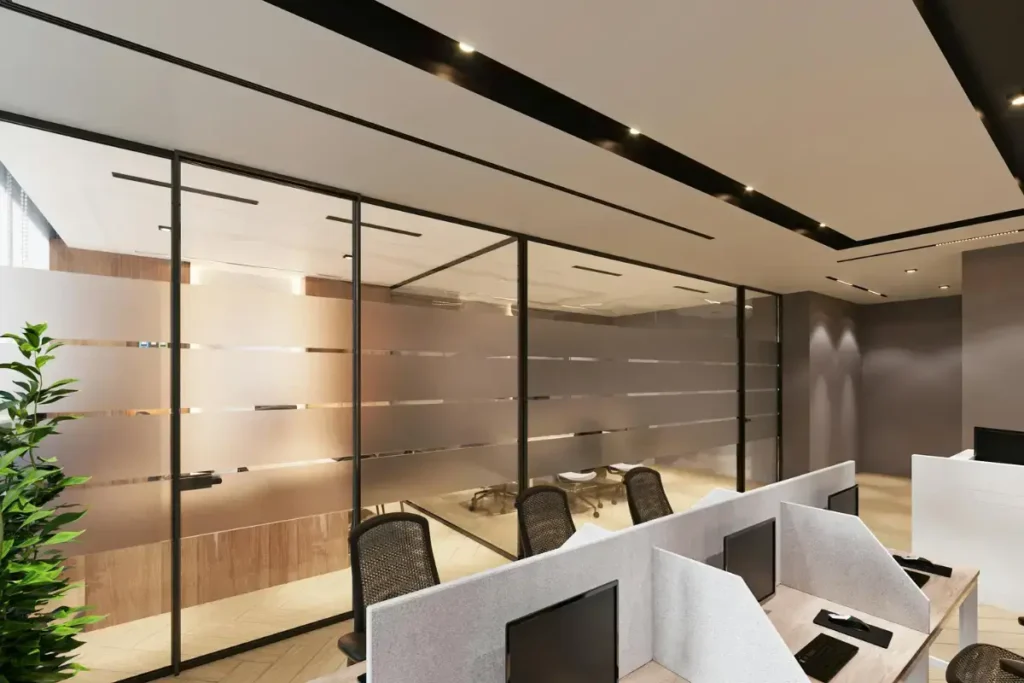
Typical workstation cleaning may include:
• Dusting open surfaces
• Wiping desk edges
• Cleaning chairs
• Removing trash near work areas
• Light cleaning around monitors and keyboards when accessible
• Vacuuming around desks
Sensitive documents and personal items should not be moved unless the client has given permission.

🚪 12. High-Touch Surface Cleaning
High-touch surfaces are areas many people touch throughout the day. These areas can collect fingerprints, dirt, and germs quickly.
Common high-touch areas include:
• Door handles
• Light switches
• Elevator buttons
• Reception counters
• Shared tables
• Restroom handles
• Break room handles
• Conference room surfaces
• Chair arms
• Copy machine areas
Regular attention to these areas helps keep the workplace cleaner and more comfortable.

🪟 13. Interior Glass and Visible Surface Care
Interior glass can make an office look brighter and more professional when it is clean. Smudges, fingerprints, and dust can make a space feel less polished.
Common glass and visible surface tasks may include:
• Cleaning interior door glass
• Wiping glass partitions
• Cleaning reception glass
• Removing fingerprints from visible surfaces
• Wiping display areas
• Cleaning conference room glass tables
Clean glass helps the office look sharper and more professional.

🧺 14. Trash Removal and Office Organization
Trash removal is a basic but important part of office cleaning. Overflowing trash bins or visible waste can quickly make an office look unprofessional.
This may include:
• Emptying desk trash bins
• Removing restroom trash
• Emptying break room trash
• Replacing liners
• Taking trash to the proper disposal area
• Light straightening of shared spaces
A cleaner office often feels more organized, even when only basic maintenance is needed.
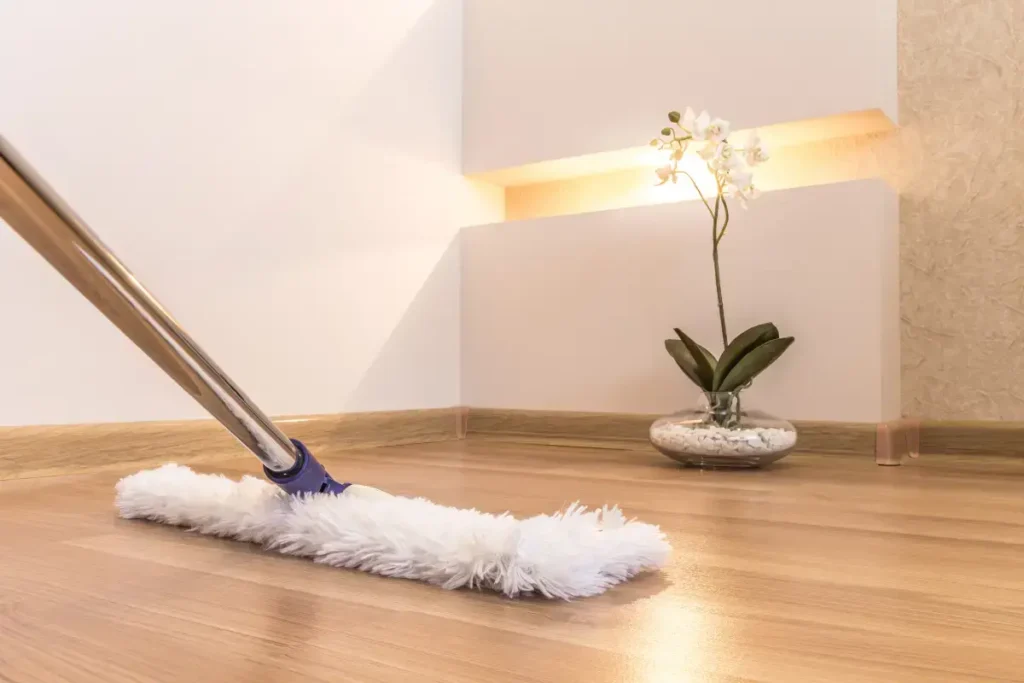
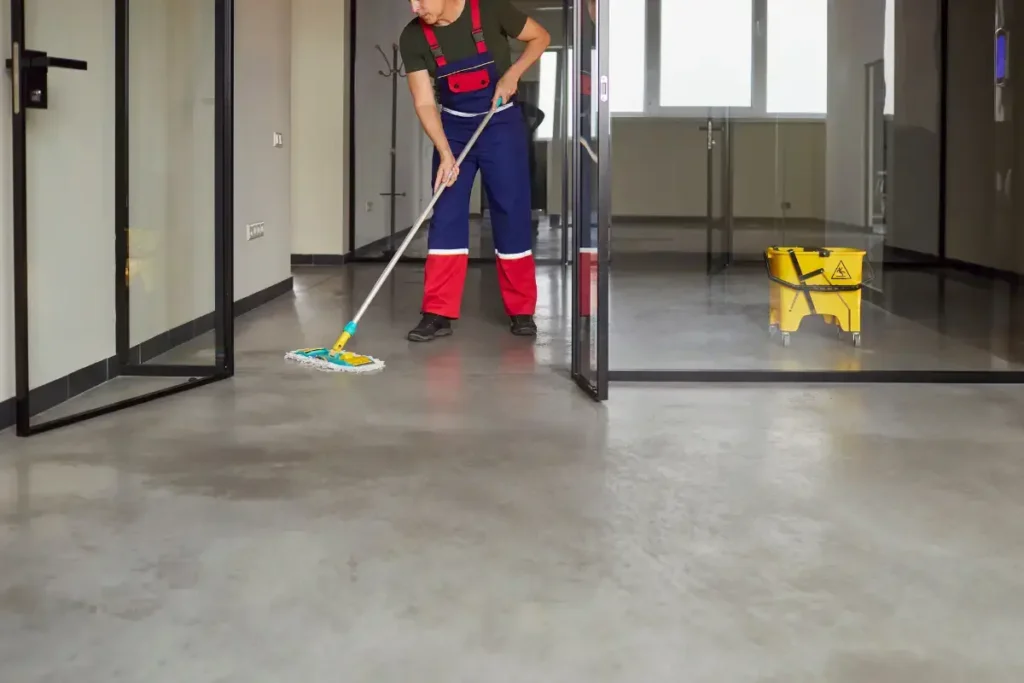
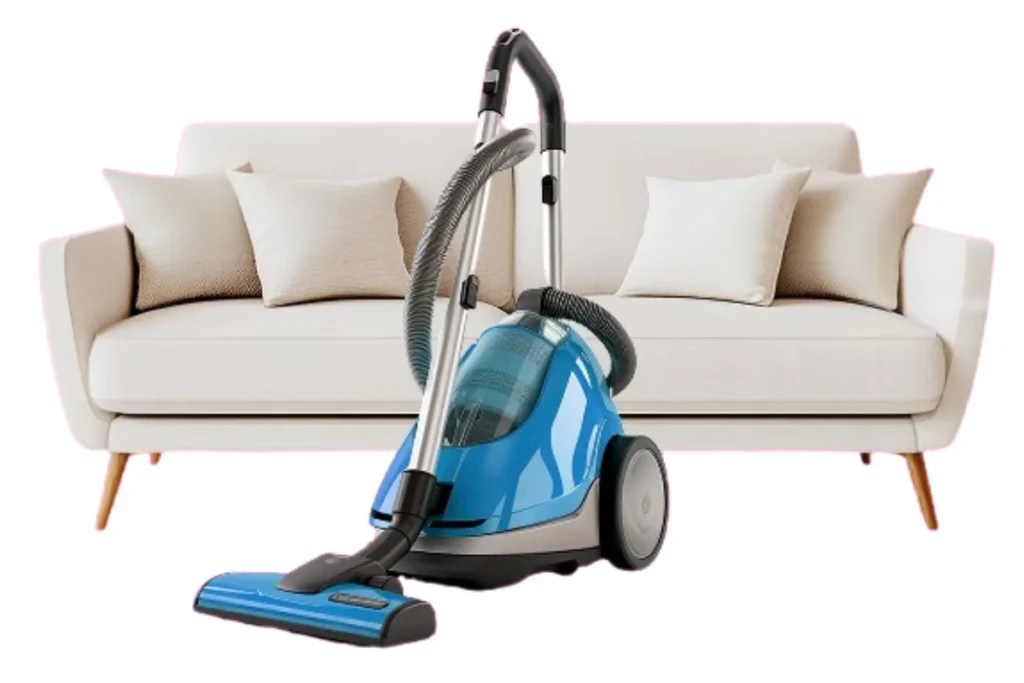
🧹 15. Floor Cleaning for Offices
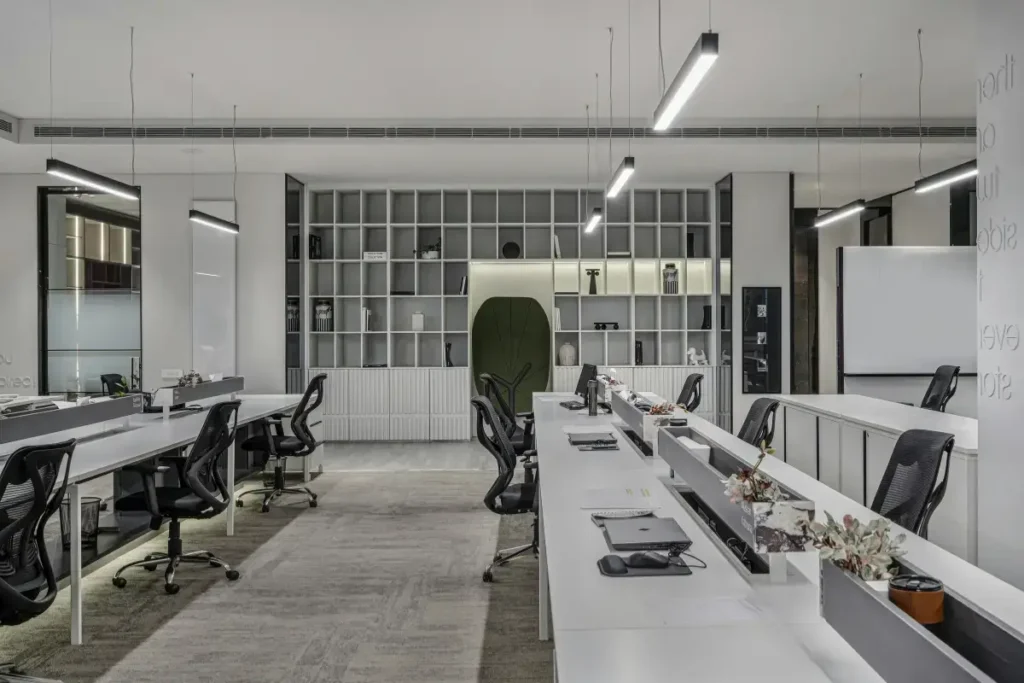
Office floors receive daily foot traffic. Dust, dirt, and debris can build up quickly, especially near entrances, hallways, and break rooms.
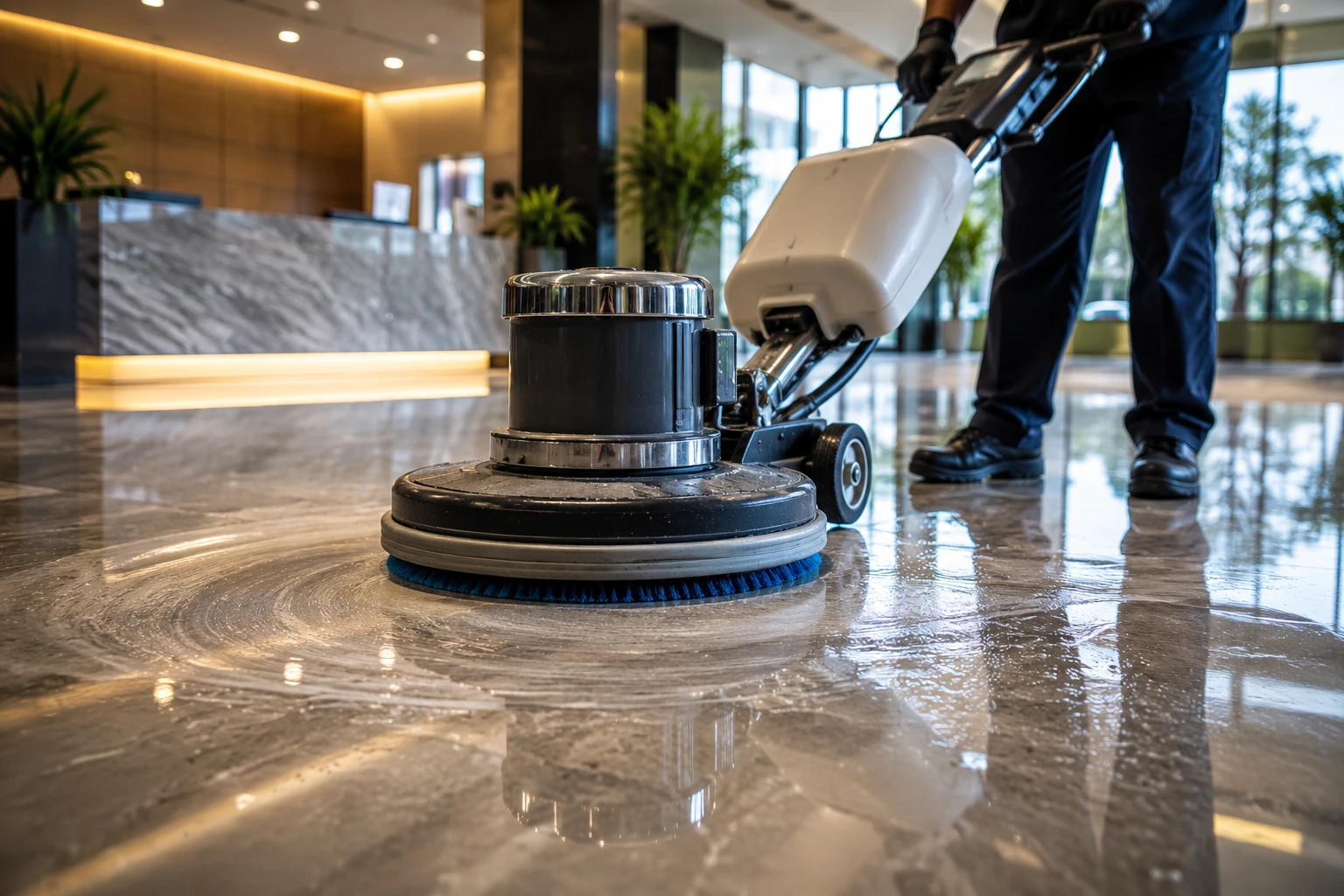
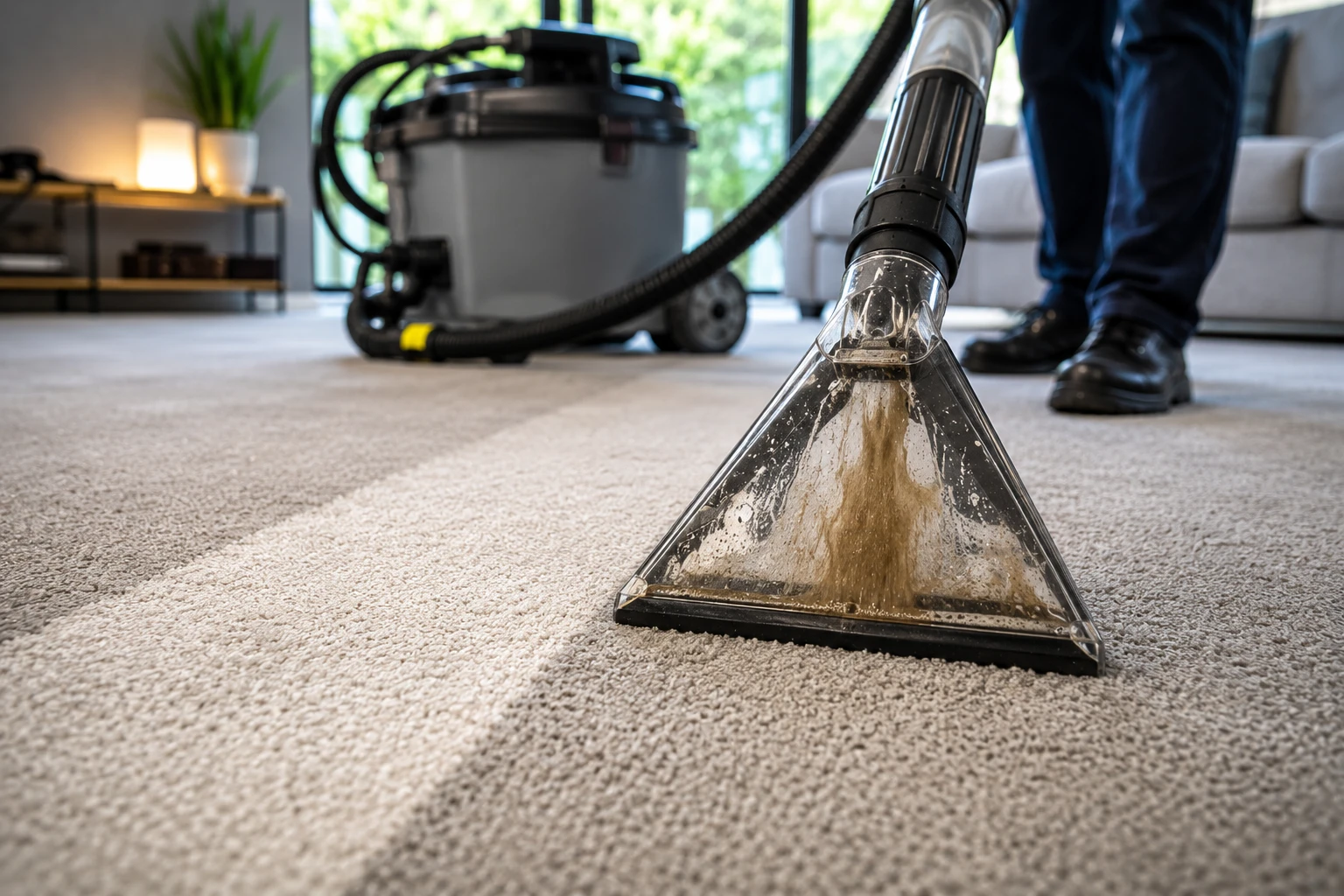
Floor cleaning may include:
• Sweeping hard floors
• Vacuuming carpeted areas
• Mopping tile, vinyl, or laminate floors
• Cleaning entryways
• Removing visible debris
• Paying attention to corners and edges
Clean floors help the office look better and feel more maintained.
📅 16. Recurring Office Cleaning Plans
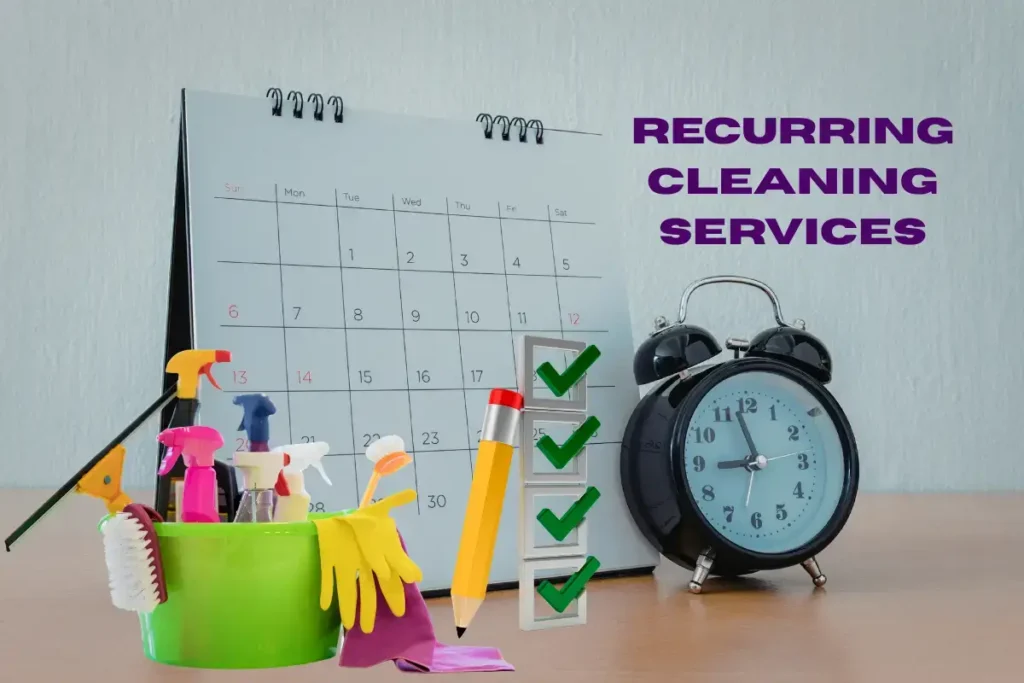
Recurring cleaning is one of the best options for offices because it keeps the space consistent. Instead of waiting until the office looks dirty, recurring service helps prevent buildup.
Common recurring options include:
| Frequency | Best For |
|---|---|
| Weekly | Small offices or moderate traffic |
| Biweekly | Offices with lighter use |
| Monthly | Basic upkeep or smaller professional spaces |
| Custom Schedule | Offices with special needs or heavier traffic |
Recurring plans help keep the cleaning process easier, more predictable, and more organized.
🧼 17. Deep Office Cleaning
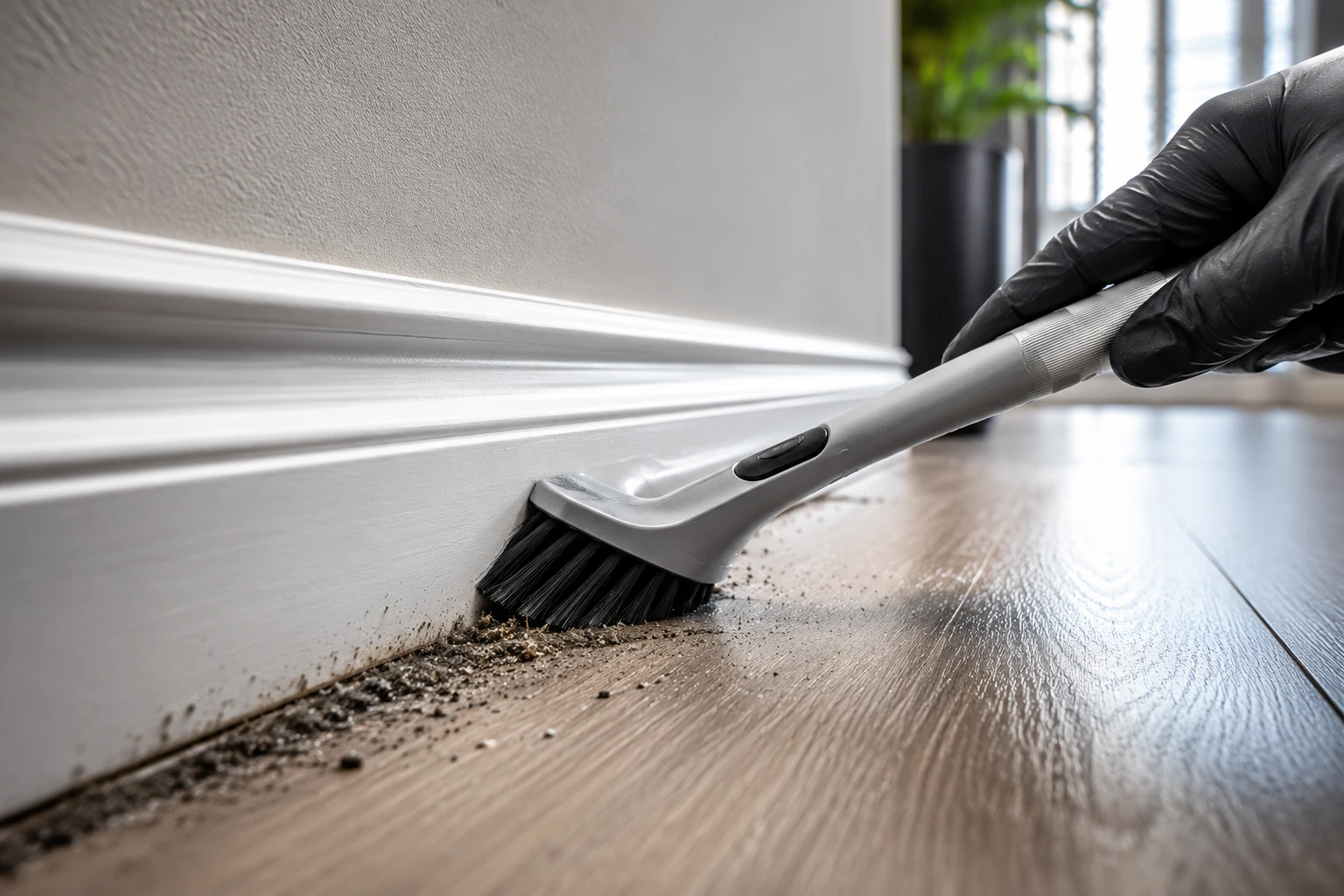
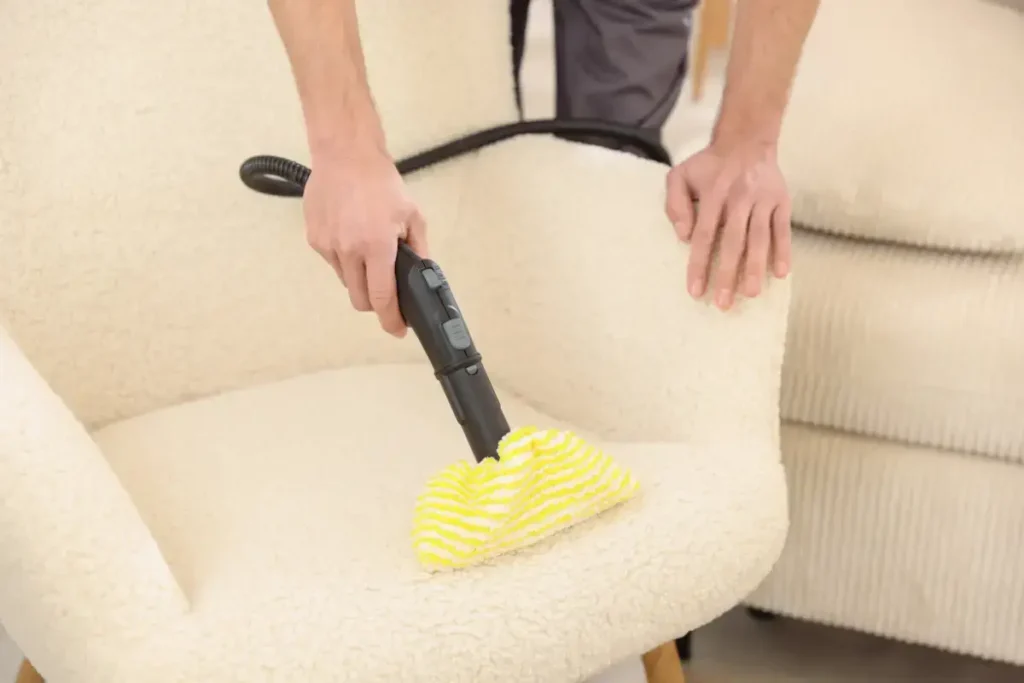
A deep office cleaning goes beyond regular maintenance. It focuses on buildup, overlooked areas, corners, edges, detailed surfaces, and spaces that may not need attention every visit.
Deep office cleaning may include:
• More detailed dusting
• Extra restroom attention
• Break room detail cleaning
• Baseboards and edges
• Corners and under furniture where accessible
• Detailed surface cleaning
• Entryway improvement
• More complete floor care
This type of service is useful when an office has not been cleaned deeply in a while or needs to look especially polished.
🧾 18. Office Cleaning Checklist
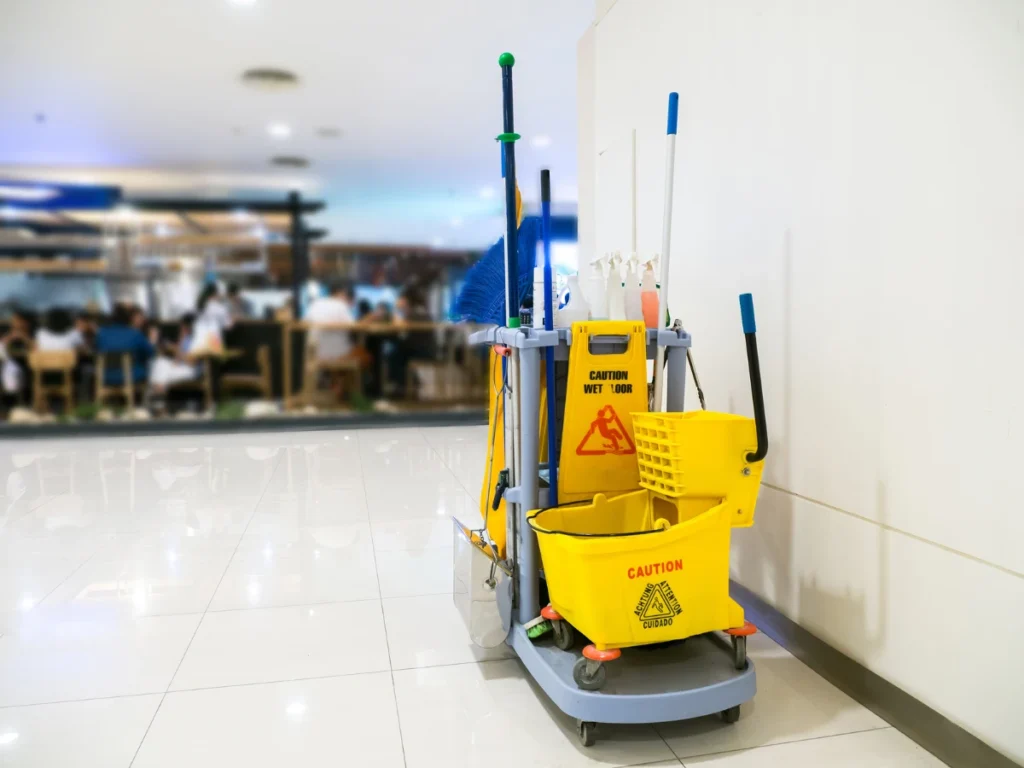
Here is a simple office cleaning checklist that can help organize service expectations:
| Area | Cleaning Tasks |
|---|---|
| Reception | Dusting, floors, counters, waiting area |
| Offices | Desks, trash, floors, visible surfaces |
| Conference Room | Table, chairs, floors, touchpoints |
| Restrooms | Toilets, sinks, mirrors, trash, floors |
| Break Room | Counters, sink, tables, trash, floors |
| Entryway | Floors, doors, handles, visible surfaces |
| Shared Areas | Trash, dusting, light organization |
This checklist helps make sure important areas are not forgotten.

🕒 19. When Should an Office Be Cleaned?
The best schedule depends on the size of the office, number of employees, foot traffic, and how often clients visit.
An office may need more frequent cleaning if:
• Clients visit often
• Employees use shared spaces daily
• Restrooms get heavy use
• The office has a break room or kitchenette
• Dust builds up quickly
• The space needs to look professional every day
• The business has high foot traffic
Smaller offices may only need weekly or biweekly service, while busier spaces may need more frequent cleaning.
🌿 20. Product Preferences for Office Cleaning
Some offices prefer eco-friendly or hypoallergenic products, while others may use conventional products depending on the cleaning needs.
Helpful product options may include:
• Eco-friendly products
• Biodegradable products
• Hypoallergenic products
• Conventional cleaning products
It is always helpful to mention product preferences before scheduling, especially if employees have sensitivities or the office has specific cleaning requirements.
🧠 21. How to Prepare for Office Cleaning
A little preparation can help the cleaning visit go smoothly.
Before the cleaning appointment, it helps to:
• Clear sensitive papers from desks
• Put away personal items
• Secure confidential documents
• Mention locked rooms or restricted areas
• Share access instructions
• Explain parking details
• Identify priority areas
• Mention product preferences
This helps the cleaning team focus on the right areas and avoid confusion.
✅ 22. Benefits of Professional Office Cleaning
Professional office cleaning can provide several practical benefits:
• A cleaner work environment
• Better first impression for clients
• More comfortable employee spaces
• Cleaner restrooms and break rooms
• Reduced visible dust and clutter
• Better organization in shared areas
• Consistent maintenance through recurring plans
• Less stress for business owners and staff
The biggest value is consistency. A clean office does not just look better once; it feels better every day when maintained properly.

📌 23. Office Cleaning Services Summary
| Service Type | Main Purpose |
|---|
| General Office Cleaning | Regular upkeep and maintenance |
| Professional Office Cleaning | Polished appearance for client-facing offices |
| Reception Cleaning | Strong first impression |
| Restroom Cleaning | Clean and sanitary shared spaces |
| Break Room Cleaning | Comfortable employee area |
| Apartment Complex Office Cleaning | Leasing and admin office upkeep |
| Real Estate Office Cleaning | Professional client-ready spaces |
| Deep Office Cleaning | More detailed cleaning when buildup is present |
| Recurring Office Cleaning | Consistent weekly, biweekly, or monthly care |

🧽 24. Final Thoughts
A clean office supports a better workday, a stronger first impression, and a more professional environment. Whether the space is a small office, a reception area, a real estate office, or an apartment complex office, regular cleaning helps keep everything looking fresh, organized, and ready for clients, employees, and visitors.
For the best results, choose the right cleaning frequency, identify priority areas, and communicate any special needs before scheduling. This keeps the process simple, clear, and more effective.